
Synonyms for contentment include satisfaction, happiness, fulfillment, peace, ease, gladness, and gratitude. Contentment is a calm feeling of satisfaction with what you have or who you are. People often use these words when writing about emotional well-being, simple living, or personal growth. This word appears often in self-help writing, poetry, and everyday conversation about happiness. Choosing the right synonym helps a writer match the exact mood, from quiet peace to deep joy.
Table: Synonyms of Contentment
| Contentment | Meaning |
| Serenity | Calm and peaceful state of mind |
| Comfort | Feeling relaxed and at ease |
| Tranquility | Freedom from disturbance or stress |
| Well-being | Overall sense of being good and healthy |
| Repose | Quiet rest and calmness |
| Complacency | Quiet satisfaction, sometimes too relaxed |
| Equanimity | Calmness even during difficulty |
| Sufficiency | Feeling of having enough |
Definition of Contentment
- Contentment means a quiet, happy feeling that comes from accepting your life as it is.
- Example: After years of hard work, she finally felt contentment in her small, peaceful home.
- Contentment sits in the middle of the happiness scale, calmer than excitement, but warmer than simple calm.
- Usage note: Contentment often describes a state of mind or a life stage, such as a contentment with life, a sense of contentment, or lasting contentment.
Etymology of Contentment
- The word comes from the Old French word “content,” meaning “satisfied” or “contained.”
- “Content” traces back to the Latin word “contentus,” from “continere,” meaning “to hold together” or “to contain.”
- The word passed through Old French before entering Middle English.
- It entered English around the 14th century.
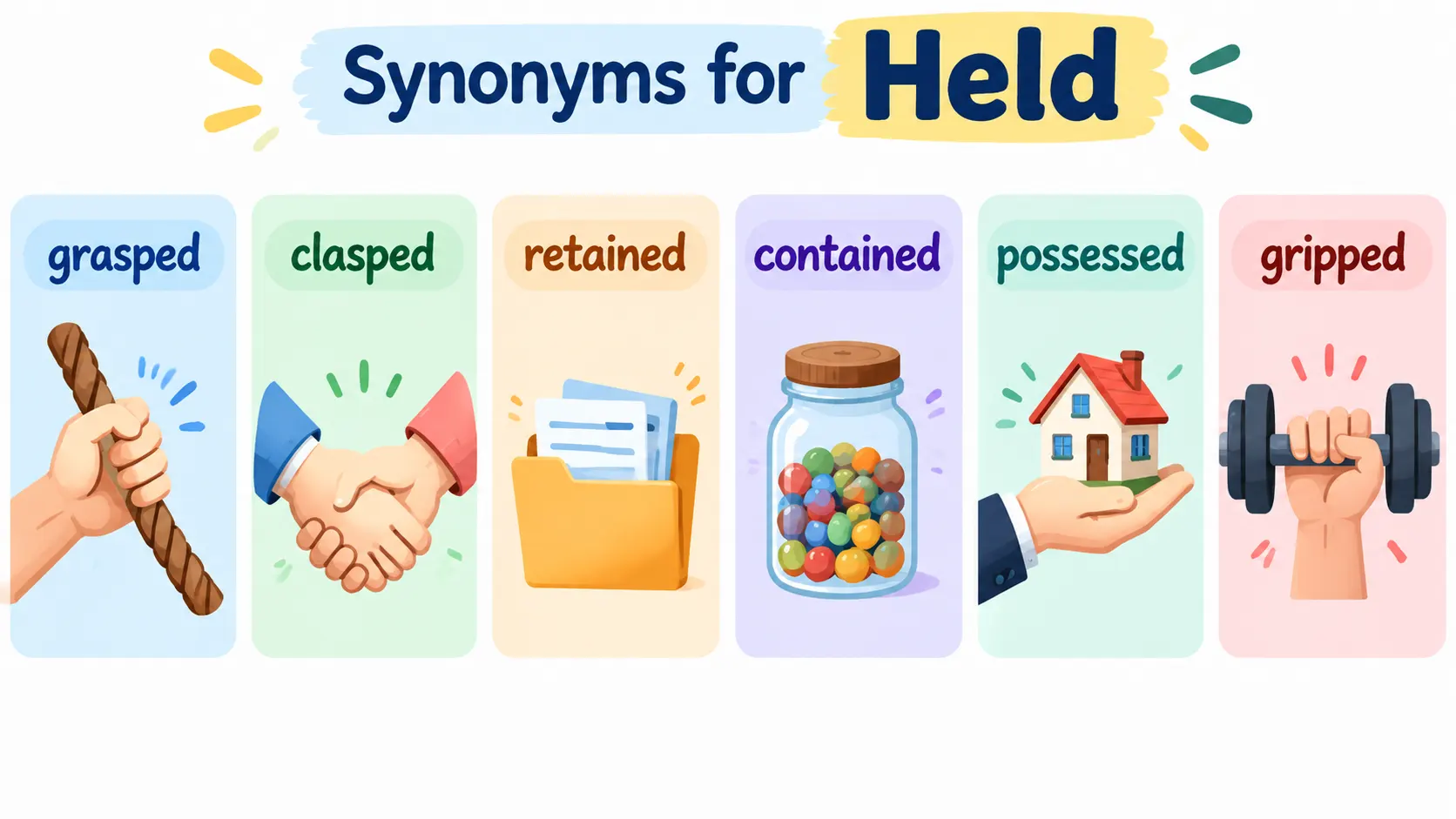
- The original sense of being “held” or “satisfied within limits” is still loosely present today, as contentment suggests being at peace within one’s current situation.
Word Formation of Contentment
- Root word: “content,” from Latin “continere,” meaning “to contain” or “to hold.”
- Suffix: “-ment,” which turns a verb or adjective into a noun describing a state or condition.
- Resulting literal sense: the state of being “held” or “satisfied within” oneself.
- Related English words sharing the root include content, contain, container, and discontent.
30 Synonyms for Contentment
1. Satisfaction (Noun)
Meaning: A feeling of pleasure that comes from getting what you want or need.
- Winning the small victory brought her a deep sense of satisfaction.
- There was quiet satisfaction in finishing the project on time.
2. Happiness (Noun)
Meaning: A general feeling of joy and well-being.
- His happiness grew as he watched his children play in the garden.
- True happiness often comes from simple, everyday moments.
3. Fulfillment (Noun)
Meaning: A deep sense of satisfaction from achieving something meaningful.
- Teaching gave her a lasting sense of fulfillment.
- He found fulfillment in helping others learn new skills.
4. Peace (Noun)
Meaning: A calm state free from worry or conflict.
- She felt a sense of peace watching the sunset by the lake.
- Meditation helped him find inner peace after a stressful week.
5. Ease (Noun)
Meaning: A relaxed, comfortable feeling without stress.
- Life in the countryside brought a welcome sense of ease.
- He spoke with such ease that everyone felt calm around him.
6. Gladness (Noun)
Meaning: A cheerful, pleased feeling.
- Gladness filled the room when the good news arrived.
- She smiled with gladness at the sight of her old friend.
7. Gratitude (Noun)
Meaning: A thankful feeling for what one has.
- His gratitude for his family grew stronger with age.
- She wrote in her journal each night to express gratitude.
8. Serenity (Noun)
Meaning: A deep, peaceful calmness of mind.
- The mountain view filled her with serenity.
- He practiced yoga daily to maintain his serenity.
9. Comfort (Noun)
Meaning: A feeling of ease and relief from worry.
- The warm blanket gave her comfort on the cold night.
- Old friends bring a special kind of comfort.
10. Tranquility (Noun)
Meaning: A calm and peaceful state without disturbance.
- The garden was known for its tranquility and quiet beauty.
- She found tranquility in the early morning hours.
11. Well-being (Noun)
Meaning: A general state of health, happiness, and comfort.
- Regular exercise improves both physical and mental well-being.
- The retreat focused on emotional well-being and rest.
12. Repose (Noun)
Meaning: A state of peaceful rest.
- After the long journey, she finally found repose at home.
- The quiet cabin offered a place of repose from city life.
13. Complacency (Noun)
Meaning: A calm satisfaction, sometimes with too little effort to change.
- His complacency with average results worried his manager.
- She warned against complacency once the goal was reached.
14. Equanimity (Noun)
Meaning: A steady calmness kept even during difficult moments.
- He handled the crisis with remarkable equanimity.
- Years of practice gave her equanimity under pressure.
15. Sufficiency (Noun)
Meaning: A feeling of having enough for one’s needs.
- Their small farm provided a simple sufficiency of food.
- She learned to find sufficiency in a modest lifestyle.
16. Delight (Noun)
Meaning: A feeling of great pleasure or joy.
- The children’s laughter filled her with delight.
- He took delight in the small pleasures of daily life.
17. Pleasure (Noun)
Meaning: A feeling of happiness or enjoyment.
- Reading by the fire was one of her greatest pleasures.
- He found pleasure in simple, quiet evenings at home.
18. Peacefulness (Noun)
Meaning: A calm and quiet state of mind.
- The forest trail was known for its peacefulness.
- She felt a deep peacefulness after her morning walk.
19. Calmness (Noun)
Meaning: A relaxed state free from stress or excitement.
- His calmness helped ease everyone’s nerves during the storm.
- She spoke with calmness even in difficult conversations.
20. Harmony (Noun)
Meaning: A peaceful and balanced state of agreement.
- The couple lived in harmony despite their different backgrounds.
- Nature seemed to exist in perfect harmony that morning.
21. Bliss (Noun)
Meaning: A state of complete happiness and peace.
- Their wedding day was pure bliss from start to finish.
- She closed her eyes in quiet bliss on the warm beach.
22. Gratification (Noun)
Meaning: A pleasant feeling from having a need or wish met.
- Finishing the marathon brought immediate gratification.
- He felt gratification after solving the difficult puzzle.
23. Comfortableness (Noun)
Meaning: A relaxed and easy feeling, free from discomfort.
- The old armchair gave a familiar comfortableness.
- Their friendship had a natural comfortableness to it.
24. Cheerfulness (Noun)
Meaning: A bright and happy state of mind.
- Her cheerfulness lifted the mood of the whole office.
- He greeted every morning with quiet cheerfulness.
25. Placidity (Noun)
Meaning: A calm and untroubled state.
- The lake’s placidity mirrored the still evening sky.
- She approached each challenge with surprising placidity.
26. Enjoyment (Noun)
Meaning: A feeling of pleasure from doing or having something.
- He found great enjoyment in painting on weekends.
- Their trip was filled with laughter and enjoyment.
27. Ease of mind (Noun phrase)
Meaning: A relaxed state free from worry.
- Paying off her debt gave her ease of mind.
- Knowing the children were safe brought ease of mind.
28. Restfulness (Noun)
Meaning: A peaceful, relaxed state, often linked to rest.
- The quiet cabin offered pure restfulness after a busy week.
- She enjoyed the restfulness of a slow Sunday morning.
29. Composure (Noun)
Meaning: A calm and controlled state of mind.
- She kept her composure during the stressful interview.
- His composure impressed everyone in the meeting room.
30. Felicity (Noun)
Meaning: A state of great happiness and contentment.
- Their years together were marked by quiet felicity.
- He wrote about the felicity of simple country life.
Antonyms of Contentment
- Dissatisfaction (Noun): a feeling of being unhappy or unfulfilled.
- Discontent (Noun): a restless or unhappy feeling about one’s situation.
- Frustration (Noun): a feeling of annoyance from unmet needs or goals.
- Misery (Noun): a state of great unhappiness or suffering.
- Restlessness (Noun): an uneasy feeling with an inability to relax.
Conclusion
Learning synonyms and antonyms for words like contentment helps writers express emotions with more precision and depth. It improves blogging, essay writing, and everyday speaking by giving more word choices for the same idea. Practicing these words in emails, articles, and conversations builds stronger, clearer communication skills. Over time, a richer vocabulary makes writing feel more natural, engaging, and thoughtful for every reader.

Welcome to Synotwin, your go-to digital platform for the latest breaking news, trending updates, technology insights, and informative articles. We are dedicated to providing accurate, engaging, and well-researched content designed to keep you informed in a fast-paced world.
At Synotwin, we believe that staying updated shouldn’t be complicated. Whether you are looking for current events, digital trends, practical tips, or in-depth analysis, our platform simplifies complex topics into clear, reader-friendly content.
Our Mission Our mission is simple: to deliver reliable and high-quality information that empowers our readers. We strive to maintain absolute transparency, editorial integrity, and continuous updates so that you always get the ground reality first.
What We Cover
-
Breaking News & Top Stories: Real-time updates on global and local trends.
-
Tech & Digital Insights: Practical guides, digital tools, and future innovations.
-
Lifestyle & Ideas: Informative content aimed at solving everyday queries.
Why Choose Synotwin?
-
Accurate & Fact-Checked: We carefully structure and verify our updates before sharing.
-
Reader-Centric Design: Clean layout tailored for smooth reading on mobile and desktop.
-
Always Updated: Fresh content published regularly to match real-time trends.
Thank you for visiting Synotwin. Explore our latest articles, stay informed, and feel free to connect with us through our contact page!