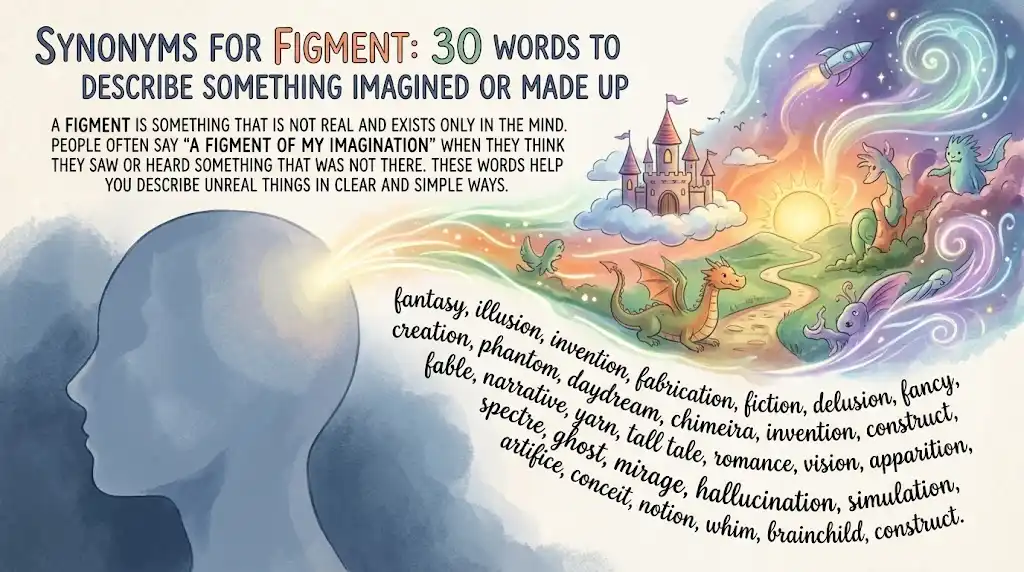

Synonyms for inconsiderate include thoughtless, selfish, rude, insensitive, careless, tactless, and uncaring. Being inconsiderate means not thinking about the feelings or needs of other people. These words help you describe people who act without care for others. Learning them makes your speaking and writing clearer and stronger.
Table: Synonyms of Inconsiderate
| Synonym | Meaning |
| Heedless | Not paying attention to others |
| Self-centered | Only thinking about oneself |
| Discourteous | Not polite or respectful |
| Unkind | Not gentle or caring |
| Boorish | Rough and rude in manner |
| Callous | Not showing feeling for others |
| Impolite | Not showing good manners |
| Unthinking | Acting without thought |
Definition of Inconsiderate
- Definition: Not caring about the feelings, comfort, or needs of other people.
- Example: It was inconsiderate of him to play loud music at midnight.
- Intensity: It is a mild to medium word. It is stronger than “forgetful” but softer than “cruel.”
- Usage note: It describes people and their actions, such as an inconsiderate neighbor, an inconsiderate remark, or inconsiderate behavior.
Etymology of Inconsiderate
- Origin: It comes from the Latin word inconsideratus, made from in- (not) and consideratus (carefully thought out).
- Literal meaning: “Not carefully thought about.”
- Path into English: The word came into English directly from Latin, with some influence from French.
- Period: It entered English around the late 16th century.
- Sense today: The old sense of “not thinking” is still there, but today it mostly means “not thinking about others.”
Word Formation of Inconsiderate
- Root word: Consider, which means to think about something carefully.
- Prefix: In-, which means “not.”
- Suffix: -ate, which turns the word into an adjective.
- Full sense: “Not thinking carefully about others.”
- Related words: Consideration, considerate, considerable, and reconsider all share the same root.
30 Synonyms for Inconsiderate
1. Thoughtless (Adjective)
Meaning: Not thinking about how your actions affect others.
- She made a thoughtless comment about his old car.
- It was thoughtless to leave the dishes for everyone else.
2. Selfish (Adjective)
Meaning: Caring only about your own needs and not about others.
- A selfish person never shares the last slice of cake.
- He was selfish to take all the credit for the team’s work.
3. Rude (Adjective)
Meaning: Showing bad manners and no respect for others.
- It is rude to talk while someone else is speaking.
- The rude guest ignored the host’s kind words.
4. Insensitive (Adjective)
Meaning: Not noticing or caring how others feel.
- His insensitive joke hurt her feelings.
- It was insensitive to laugh at his mistake.
5. Careless (Adjective)
Meaning: Not taking enough care about how your actions touch others.
- A careless word can hurt a friend.
- He was careless and woke the baby with his loud steps.
6. Tactless (Adjective)
Meaning: Saying or doing things that upset others because you do not think first.
- Her tactless question made everyone feel awkward.
- He was tactless when he told her the food tasted bad.
7. Uncaring (Adjective)
Meaning: Not showing any worry for the feelings of others.
- The uncaring boss never asked how his workers were.
- She gave an uncaring shrug when he said he was sad.
8. Heedless (Adjective)
Meaning: Not paying attention to how others may be affected.
- Heedless of the noise, he kept on drumming.
- The heedless driver splashed water on the walkers.
9. Self-centered (Adjective)
Meaning: Always thinking about yourself before anyone else.
- A self-centered friend only talks about his own day.
- She was self-centered and never asked about my news.
10. Discourteous (Adjective)
Meaning: Lacking polite manners toward others.
- It was discourteous to walk out in the middle of the talk.
- The discourteous clerk did not greet the customers.
11. Unkind (Adjective)
Meaning: Not showing gentle or friendly feelings toward others.
- It was unkind to leave her out of the game.
- He made an unkind remark about her cooking.
12. Boorish (Adjective)
Meaning: Having rough and rude manners that ignore others.
- His boorish behavior ruined the quiet dinner.
- The boorish man pushed past everyone in line.
13. Callous (Adjective)
Meaning: Cold and unfeeling toward the pain of others.
- She gave a callous answer to the sad news.
- His callous words made the child cry.
14. Impolite (Adjective)
Meaning: Not following the rules of good manners.
- It is impolite to point at people.
- The impolite boy never said thank you.
15. Unthinking (Adjective)
Meaning: Acting without stopping to think about others.
- An unthinking act left the door open all night.
- He gave an unthinking reply that upset his mother.
16. Ill-mannered (Adjective)
Meaning: Having bad manners when dealing with other people.
- The ill-mannered child grabbed the toys from others.
- It was ill-mannered to chew with his mouth open.
17. Disrespectful (Adjective)
Meaning: Showing no respect for the feelings or rights of others.
- It is disrespectful to look at your phone during a speech.
- The disrespectful student laughed at the teacher.
18. Unsympathetic (Adjective)
Meaning: Not showing any pity or understanding for others.
- The unsympathetic manager refused to listen.
- She gave an unsympathetic glance at the crying boy.
19. Egotistical (Adjective)
Meaning: Thinking you are more important than others.
- The egotistical singer never thanked his band.
- His egotistical talk bored everyone at the table.
20. Inattentive (Adjective)
Meaning: Not paying attention to the needs of those around you.
- The inattentive waiter forgot our order.
- He was inattentive to her worries.
21. Cold-hearted (Adjective)
Meaning: Having no warm feeling or kindness toward others.
- The cold-hearted owner sent the workers home without pay.
- It was cold-hearted to ignore the lost dog.
22. Unfeeling (Adjective)
Meaning: Showing no emotion or care for others.
- His unfeeling reply shocked the whole room.
- She was unfeeling about her friend’s loss.
23. Self-absorbed (Adjective)
Meaning: So busy with your own life that you forget about others.
- The self-absorbed man never noticed his friend was sad.
- She was self-absorbed and talked only about her trip.
24. Indifferent (Adjective)
Meaning: Showing no interest in how others feel or what they need.
- He was indifferent to his neighbor’s problems.
- The indifferent clerk did not look up when we spoke.
25. Unmindful (Adjective)
Meaning: Not keeping others in mind when you act.
- Unmindful of the sleeping baby, he slammed the door.
- She was unmindful of her friend’s tired face.
26. Ungracious (Adjective)
Meaning: Not polite or thankful toward others.
- It was ungracious to complain about a free gift.
- His ungracious reply made the host sad.
27. Mean (Adjective)
Meaning: Unkind and not caring about how others feel.
- It was mean to hide her shoes as a joke.
- The mean boy would not let anyone play.
28. Uncharitable (Adjective)
Meaning: Harsh and unwilling to think kindly about others.
- It was uncharitable to blame her for the small mistake.
- He gave an uncharitable answer to the shy girl.
29. Indelicate (Adjective)
Meaning: Lacking the gentle care needed for polite talk.
- Her indelicate question about his age was unwelcome.
- It was indelicate to speak of money at the party.
30. Ill-bred (Adjective)
Meaning: Having poor manners that show no care for others.
- The ill-bred guest left his trash on the table.
- It was ill-bred to push ahead of the old man.
Antonyms of Inconsiderate
- Considerate (Adjective): Thinking about the feelings and needs of others.
- Thoughtful (Adjective): Showing care and kind thinking toward others.
- Kind (Adjective): Gentle, friendly, and caring.
- Courteous (Adjective): Polite and respectful in manner.
- Caring (Adjective): Showing worry and love for other people.
Conclusion
Learning synonyms and antonyms helps you pick the right word every time. Your writing becomes clearer, your blogs become richer, and your speaking becomes more confident. Instead of using “inconsiderate” again and again, you can choose a word that fits the moment. Practice these words in emails, essays, articles, and daily talks. Try one new word each day, and soon your vocabulary will grow strong.

Welcome to Synotwin, your go-to digital platform for the latest breaking news, trending updates, technology insights, and informative articles. We are dedicated to providing accurate, engaging, and well-researched content designed to keep you informed in a fast-paced world.
At Synotwin, we believe that staying updated shouldn’t be complicated. Whether you are looking for current events, digital trends, practical tips, or in-depth analysis, our platform simplifies complex topics into clear, reader-friendly content.
Our Mission Our mission is simple: to deliver reliable and high-quality information that empowers our readers. We strive to maintain absolute transparency, editorial integrity, and continuous updates so that you always get the ground reality first.
What We Cover
-
Breaking News & Top Stories: Real-time updates on global and local trends.
-
Tech & Digital Insights: Practical guides, digital tools, and future innovations.
-
Lifestyle & Ideas: Informative content aimed at solving everyday queries.
Why Choose Synotwin?
-
Accurate & Fact-Checked: We carefully structure and verify our updates before sharing.
-
Reader-Centric Design: Clean layout tailored for smooth reading on mobile and desktop.
-
Always Updated: Fresh content published regularly to match real-time trends.
Thank you for visiting Synotwin. Explore our latest articles, stay informed, and feel free to connect with us through our contact page!